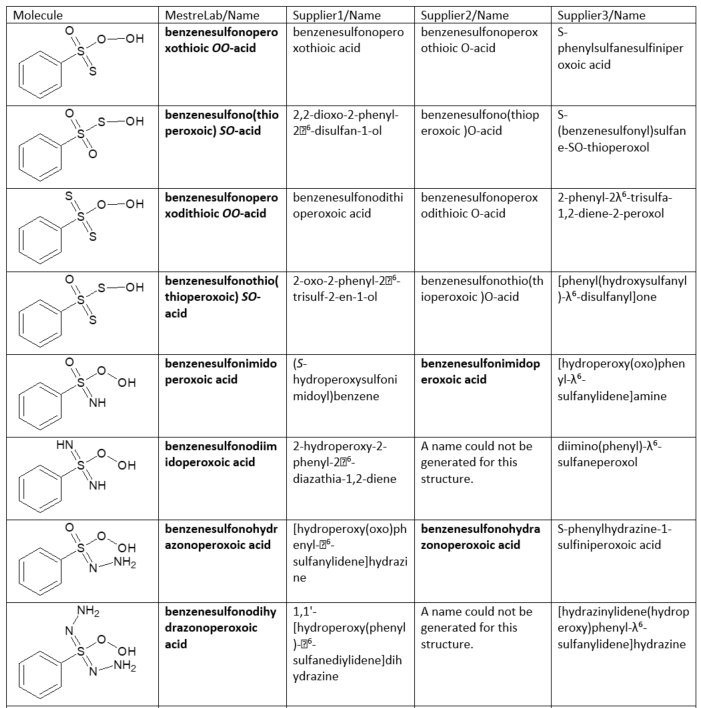
In the intricate world of chemistry, precision is paramount. Every compound, from the simplest organic molecule to the most complex pharmaceutical, needs a universally understood identity. This is where IUPAC (International Union of Pure and Applied Chemistry) nomenclature comes in, providing a systematic way to name chemical compounds that leaves no room for ambiguity. But mastering these rules can be a daunting task. That's precisely why an IUPAC name generator has become an indispensable tool for anyone navigating the chemical landscape.
Imagine having an on-demand chemical naming expert at your fingertips, one that can effortlessly translate complex structures or descriptions into their perfectly compliant IUPAC names. That's the power of a modern IUPAC name generator – a sophisticated digital assistant powered by advanced AI and meticulously trained on authoritative chemical nomenclature standards. Whether you're a student tackling homework, a researcher drafting a paper, or a professional needing consistent, accurate names, this hub will guide you through everything you need to know about harnessing this transformative technology.
Decoding the Power of an IUPAC Name Generator
At its core, an IUPAC name generator is designed to simplify the often-complex process of chemical naming. It eliminates guesswork and reduces errors by converting various inputs – be it a structural formula, a common name, or a brief molecular description – into the precise, systematic name that adheres to global IUPAC standards. This ensures that a compound's name accurately reflects its structure, fostering clear communication across scientific disciplines worldwide.
The benefits extend far beyond mere convenience. Such a generator guarantees professional and regulatory compliance, making it invaluable for publishing research, drafting patents, or ensuring safety data sheets are impeccably accurate. It's about consistency, efficiency, and unwavering reliability in a field where precision can literally change outcomes.
Grasping the Core Principles of IUPAC Naming
To truly appreciate what an IUPAC name generator accomplishes, it helps to understand the fundamental rules it operates by. The system systematically breaks down a molecule into its components and then reassembles them into a name following a strict hierarchy. If you're keen to dive into the theoretical backbone, we recommend exploring our dedicated guide on Understanding IUPAC Naming Principles.
At a high level, the naming process involves several key steps:
- Identifying the Longest Carbon Chain: This establishes the parent hydrocarbon chain, the backbone of the molecule. The chain is numbered to assign the lowest possible numbers to substituents.
- Identifying and Naming Substituents: These are atoms or groups replacing hydrogen on the parent chain. Common examples include methyl (-CH₃), ethyl (-CH₂CH₃), chloro (-Cl), or hydroxyl (-OH).
- Numbering the Chain Strategically: Carbons are numbered from the end that gives substituents the lowest possible location numbers. If there's a tie, the first point of difference is prioritized.
- Assembling the Name: Substituents are listed alphabetically (ignoring prefixes like di-, tri-) before the parent chain name. Hyphens separate numbers from letters, and commas separate numbers.
The Building Blocks: Hydrocarbons and Functional Groups
The foundation of organic chemistry, and thus IUPAC naming, lies in hydrocarbons. These compounds consist solely of carbon and hydrogen atoms, forming the basis for more complex molecules. Whether it's the single bonds of alkanes, the double bonds of alkenes, or the triple bonds of alkynes, understanding their naming conventions is crucial. To delve deeper into these foundational structures, we've prepared an extensive resource: Naming Hydrocarbons (Alkanes, Alkenes, Alkynes.
Beyond hydrocarbons, functional groups are specific atoms or groups of atoms within a molecule that are responsible for its characteristic chemical reactions. They dictate the reactivity and properties of a compound and play a significant role in its IUPAC name, often determining the suffix. For a comprehensive look at how these groups influence naming and their priority, make sure to Learn compound naming rules Master functional. For instance, an alcohol (-OH) will end with "-ol," while an aldehyde (-CHO) typically ends with "-al," assuming they are the highest priority functional groups.
Bridging the Gap: Structures to Names and Names to Structures
One of the most powerful applications of an IUPAC name generator is its ability to translate a visual chemical structure into its correct systematic name. For anyone needing to confirm the official name of a newly drawn molecule or a known compound, the process is streamlined and accurate. To master this essential skill, our guide on Converting Chemical Structures to IUPAC offers invaluable insights and practical advice.
Conversely, understanding IUPAC names also empowers you to visualize and even draw the corresponding chemical structure. This reverse engineering is critical for interpreting chemical literature, designing experiments, or simply deepening your comprehension of molecular architecture. If you're looking to hone this skill, we've developed a detailed pillar on Drawing Chemical Structures from IUPAC that breaks down the process step-by-step.
Maximizing Your Generator's Potential
While an IUPAC name generator is incredibly smart, providing it with clear and specific input will yield the most targeted and accurate results. Here are a few tips to get the best out of any chemical name generator:
- Be Explicit with Details: Instead of a general term, provide precise information. For example, "1,3-dinitrobenzene" is better than just "nitrobenzene" to avoid ambiguity and specify isomerism.
- Specify for Isomers: If you need a list of related compounds, mention "all positional isomers" or "branched analogues" in your description to prompt the generator for comprehensive results.
- Check Language Consistency: If generating names in a language other than English, a quick double-check for local IUPAC translations ensures full consistency and accuracy for your specific context.
Embracing the IUPAC name generator isn't just about finding answers; it's about empowering your understanding and ensuring undeniable accuracy in your chemical work. By exploring the detailed pillar guides linked throughout this hub, you'll not only learn how to use these tools effectively but also gain a deeper, more nuanced appreciation for the logic and elegance of chemical nomenclature itself. Start generating, start learning, and elevate your chemical expertise today.